

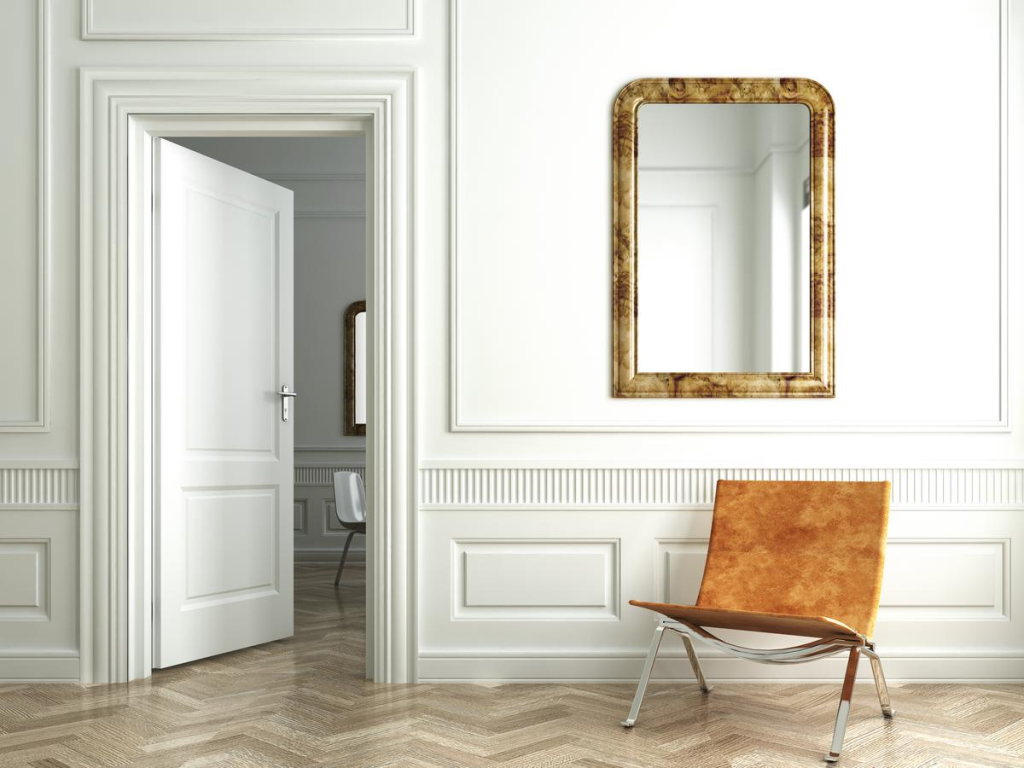
Door frames are an integral part of modern architecture, yet they often don’t get the attention they deserve. These essential structures provide the necessary support for doors, shaping their functionality and aesthetic appeal. With proper installation and maintenance, door frames can last for decades, ensuring utility, durability, and style.
This blog explores everything you need to know about installing and maintaining door frames, from materials and techniques to key tips for effective care.
Importance of Door Frames in Structural Design
Door frames are more than just supports for doors. They are critical in both structural and functional roles. A well-installed frame guarantees the proper alignment of the door, facilitates smooth movement, and prevents issues such as sagging or misalignment over time. On the aesthetic side, frames contribute to the visual appeal of a space by complementing the architectural style and matching the door’s design.
Incorrect installation or neglect in maintenance can lead to long-term issues, such as gaps, instability, and even compromised security. For this reason, understanding the right methods for installation and proper maintenance practices is essential for longevity and effective performance.
Common Door Frame Materials for Different Needs
Door frames are made from a variety of materials, each suited to specific needs and preferences.
Wood
Wooden door frames are the most traditional option, valued for their natural beauty. Hardwood variants like oak or teak are often chosen for their durability, while softwoods such as pine are more budget-friendly. Wooden frames are versatile in design but require protection against moisture to prevent warping or damage, especially in humid regions.
Steel
Steel door frames are highly durable and offer enhanced security. These frames are often used in commercial and industrial applications because of their strength and resistance to wear and tear. They are also relatively low maintenance, although they may require regular painting or coating to prevent rust in moist conditions.
Aluminum
Aluminum is lightweight yet robust, often favored in modern designs. Aluminum door frames provide excellent resistance to corrosion and require minimal upkeep. They are especially popular in office spaces and contemporary homes.
uPVC
Known for its excellent resistance to weather conditions, uPVC door frames are a great choice for exterior doors. They combine energy efficiency with low-maintenance requirements, making them ideal for regions with harsh weather conditions.
Composite Materials
Composite frames combine materials like wood, PVC, and metal to offer superior performance. These frames are designed to deliver the best of all worlds—durability, aesthetic compatibility, and minimal maintenance.
Key Steps in Door Frame Installation Process
Proper installation ensures that door frames perform their function effectively over time. The process generally follows these steps:
Measurement and Preparation
Accurate measurements of the door opening are key to a seamless installation. Any errors in measurement can result in ill-fitting frames, leading to functional and aesthetic issues.
Ensure the opening is clear of debris, level, and structurally sound. An uneven or weak substrate can compromise the stability of the entire setup.
Positioning and Alignment
Position the door frame carefully, ensuring that it is plumb and level. This is typically checked using a spirit level. Misalignment at this stage could affect how the door swings and closes.
Fastening
Secure the frame using screws or other fasteners designed for the specific material. For wooden and uPVC frames, drill pilot holes to prevent splitting. Steel and aluminum frames may require specialized fasteners or welding.
Gap Filling and Sealants
Use foam insulation or sealants to fill any gaps between the door frame and the wall. This step improves energy efficiency and prevents intrusion by dirt, water, or pests.
Finishing Touches
Once secured, add any required trims, moldings, or finishing elements. This not only enhances the visual appeal but also protects the edges of the frame from wear and tear.
How to Maintain Door Frames for Long-Term Performance
Maintenance is crucial to extending the lifespan of door frames. Common practices include:
Regular Inspections
Periodic checks help identify early signs of wear or damage, such as cracks, peeling paint, or rust. Addressing these issues early can prevent more extensive damage over time.
Cleaning
Different materials require specific cleaning methods. For example, wooden door frames benefit from a wipe-down with a damp cloth and non-abrasive cleaner, while steel frames may require rust inhibitors or touch-up paint. Always avoid harsh chemicals that can harm the material.
Protective Coatings
Wooden and metal door frames often benefit from protective coatings. Painting or varnishing wood prevents moisture-related issues, while metal coatings reduce susceptibility to rust.
Tightening Hardware
Loose screws or hinges can compromise the stability of the door frame. Periodically ensure that all fasteners are properly tightened.
Sealing Gaps
Check the condition of weatherstripping or sealants around the frame. Replace or repair as needed to ensure energy efficiency and prevent water ingress.
Trends and Innovations in Door Frame Design
The rise of smart homes and sustainable construction practices has influenced door frame design in recent years. Modern materials like composite or engineered wood are growing in popularity due to their eco-friendly credentials. Additionally, sleek, minimalist designs are becoming more prevalent, often emphasizing clean lines and metallic finishes.
For home and business owners looking to maximize the functionality of their doors, innovations such as integrated insulation layers and built-in smart lock compatibility are increasingly shaping purchase decisions.
Final Thought: Invest in Quality and Longevity
When it comes to door frames, quality materials, precise installation, and consistent maintenance are vital to achieving optimal performance and durability. Understanding these aspects is essential, whether you’re building a new space or updating an existing one.
By prioritizing these factors, you can enhance both the functionality and aesthetic appeal of your home or commercial space. If you’re planning your next project, consider working with trained professionals and investing in premium materials for results that last.


