
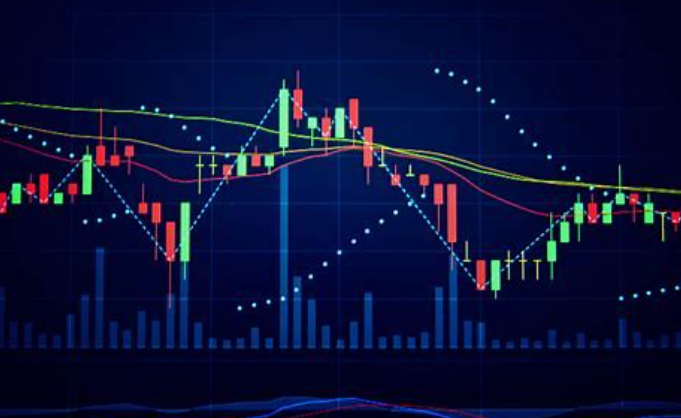

The stock market is a complex and dynamic environment where investors and traders seek to understand market trends to make informed decisions. One of the tools that have been widely used to analyze and predict market movements is technical analysis. This method focuses on analyzing historical price patterns and trading volume to forecast future market trends. In the context of the US stock market, technical analysis plays a crucial role in helping investors navigate the intricacies of this vast and influential market.
Technical Analysis Fundamentals
Technical analysis is based on the belief that all relevant information about a security is already reflected in its price. It involves the study of historical price movements and trading volumes to identify patterns that can predict future price movements. This approach is different from fundamental analysis, which focuses on the financial health and performance of a company. Technical analysts use various tools and indicators, such as moving averages, trend lines, and oscillators, to analyze market data.
Historical Significance in Stock Market Trends
The US stock market has a rich history that provides a wealth of data for technical analysts. By studying past market trends, analysts can identify recurring patterns that may indicate future market behavior. For instance, the 2008 financial crisis and the subsequent recovery have provided valuable insights into how markets react to economic shocks. Understanding these historical trends is essential for technical analysts to make accurate predictions about the future.
Application in Modern Market
In today’s fast-paced and globalized market, technical analysis has become even more relevant. With the advent of high-speed trading and algorithmic strategies, the speed at which information is processed and acted upon has increased significantly. Technical analysis allows traders to quickly identify market trends and make decisions based on real-time data. For example, the use of moving averages can help traders determine the overall trend of a stock, whether it is in an uptrend or downtrend, and make decisions accordingly.
Challenges and Limitations
Despite its popularity, technical analysis is not without its challenges. One of the main criticisms is that past performance is not always indicative of future results. Additionally, technical analysis requires a high level of expertise and understanding of various tools and indicators. Misinterpretation of these tools can lead to incorrect predictions and significant financial losses. Therefore, it is crucial for analysts to continuously update their knowledge and skills to stay ahead in the market.
Integration with Other Analytical Methods
Technical analysis (In Taiwan, it is called “技術分析“) is often used in conjunction with other forms of analysis to provide a more comprehensive view of the market. For instance, combining technical analysis with fundamental analysis can offer a more holistic understanding of a company’s stock performance. This dual approach can help investors make more informed decisions by considering both the company’s financial health and the market’s technical indicators.
Future Outlook for Technical Analysis
As the US stock market continues to evolve, the role of technical analysis is expected to grow. With the increasing availability of data and advancements in technology, technical analysts will have more tools at their disposal to analyze market trends. Machine learning and artificial intelligence are also expected to play a significant role in the future of technical analysis, potentially revolutionizing the way market trends are predicted and acted upon.
Conclusion
In conclusion, technical analysis is a powerful tool for understanding US stock market trends (In Taiwan, it is called “美股走勢分析“). It provides a systematic approach to analyzing market data and identifying patterns that can predict future price movements. While it has its challenges and limitations, when used correctly and in conjunction with other analytical methods, technical analysis can be a valuable asset for investors and traders in the US stock market. As the market continues to evolve, the importance of staying informed and adapting to new technologies and methodologies will be crucial for success in the world of investing.